
Coast note 02 · structures, memory, and maintenance
The pier and the museum: two ways a city keeps its record
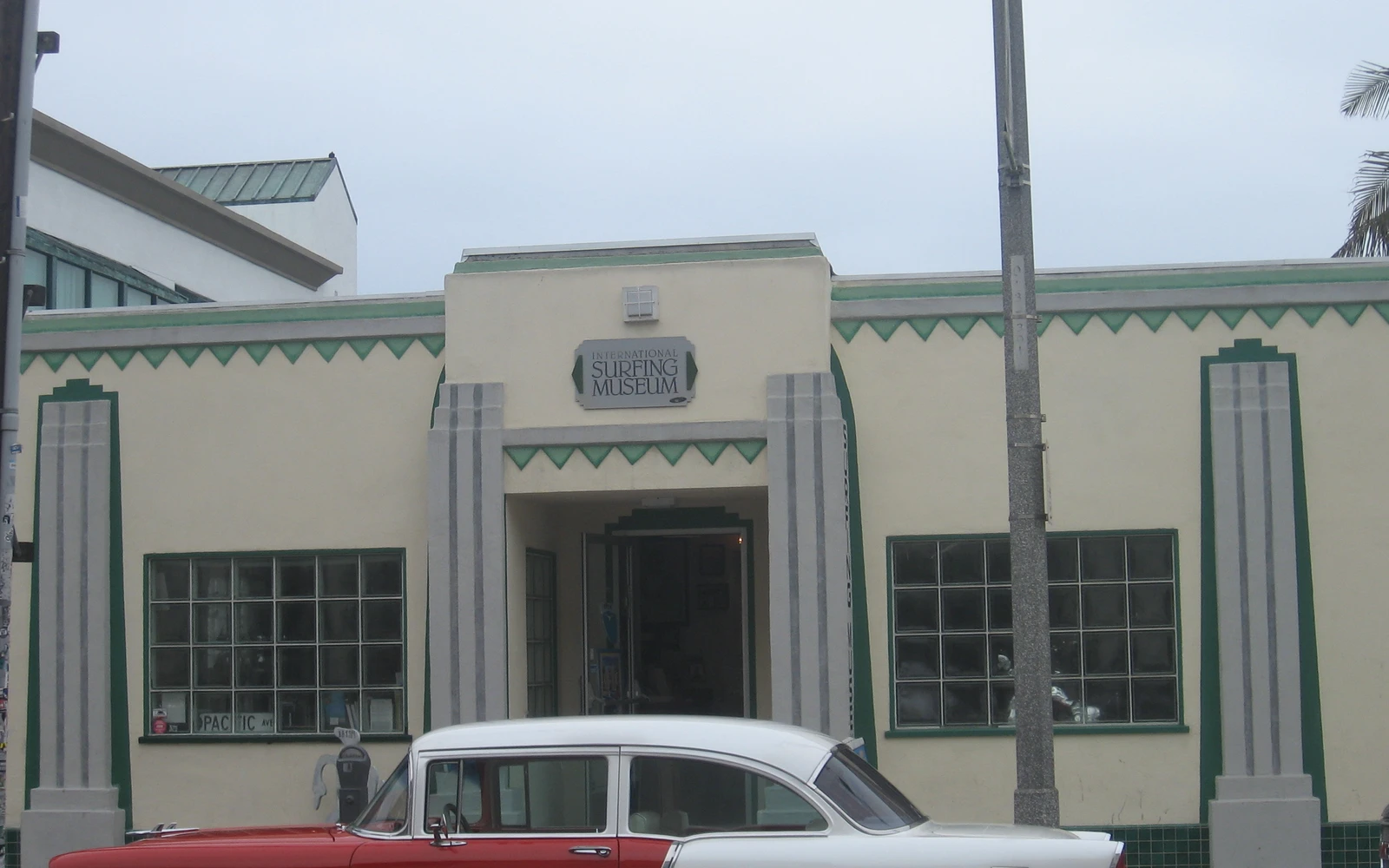
The City's historical file traces Huntington Beach's first timber pier to 1904, the city's incorporation to 1909, a concrete replacement to 1914, and Pacific Coast Highway access to 1925. Nearby, the International Surfing Museum preserves another kind of structure: boards, photographs, stories, and artifacts that give surf history a public home. The museum photograph shows its facade at one moment; it does not verify hours, exhibits, building condition, or present operations.
A pier survives through inspections, repair decisions, funding, and records. A collection survives through cataloging, provenance, care, and access. Household insurance preparation uses the same modest habits. Know what exists, describe it accurately, keep evidence away from the place where a loss could occur, and update the record when property changes. Memory alone is weakest when a stressful event makes detail most important.
Build two inventories
Create a building file with measurements, construction details, permits, contractor invoices, roof and system ages, finishes, attached features, and photographs. Ask how a rebuilding estimate was calculated and whether demolition, debris removal, contractor overhead, code upgrades, and constrained access are represented. Market value, tax assessment, mortgage balance, and reconstruction cost are different measures. The appropriate policy limit cannot be derived from a coastal photograph or sale listing alone.
Create a separate contents inventory by room. Photograph closets, storage, electronics, tools, sporting equipment, jewelry, art, bicycles, and other property that could be hard to recall. Record model and serial numbers where useful and keep receipts or appraisals for unusual items. Review special limits, off-premises terms, and settlement basis. Store copies securely offsite or in a protected service that can be reached if the premises and normal device are unavailable.
Treat maintenance and insurance as different records
Maintenance can reduce damage or make facts easier to prove, but it does not promise insurance eligibility, price, or claim payment. Keep inspection, repair, and replacement records; tell the insurer about material changes; and ask whether a particular mitigation measure affects underwriting or discounts. Never present routine upkeep as a substitute for reading exclusions, conditions, deductibles, and reporting duties.
After an incident, address safety first, follow public-authority instructions, document conditions before disposal when safe, prevent further harm reasonably, and notify the insurer promptly. Preserve estimates, receipts, photographs, damaged-item information, and a communication log. The pier and museum illustrate civic stewardship, not an insurance conclusion. Current facts and issued policy terms decide the response.
A scheduled annual review keeps those two inventories useful. Compare the building description, listed improvements, valuable-property records, contact details, and backup location with what exists now. Record questions for the licensed representative and keep the answers with the dated policy documents rather than relying on recollection.
The issued policies and endorsements control.